Capability?

Editors
Technical capability varied dramatically between markets, with some teams unable to maintain a standalone CMS without external support.
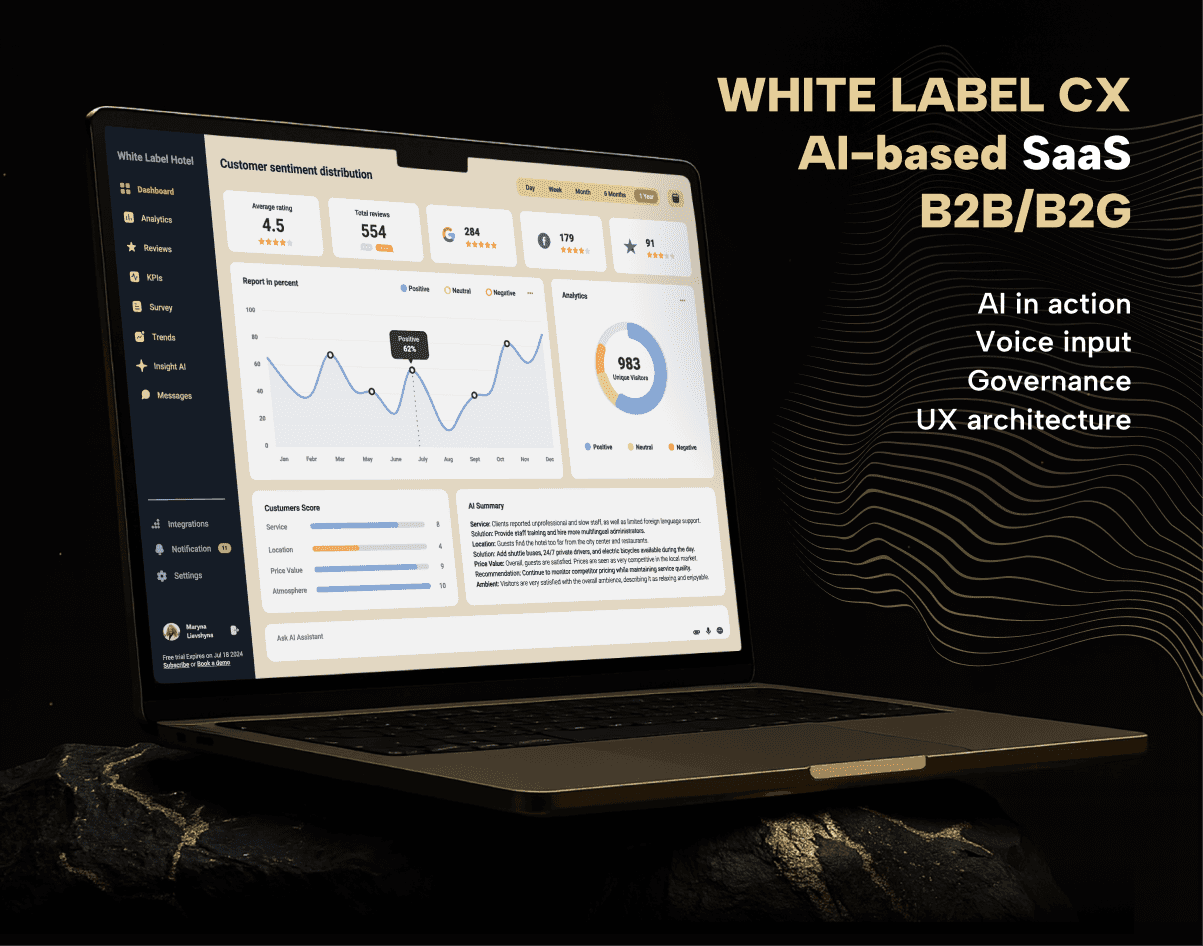
Transforming fragmented digital experiences into one scalable platform with global governance and controlled local customization.
Europ Assistance managed dozens of independently maintained B2B and B2C digital products across 37 markets, creating inconsistent experiences, duplicated effort, and slow delivery.
Across 37 markets, digital maturity, technical capabilities, local regulations, and ways of working varied dramatically, making global consistency and future rebranding difficult to scale.
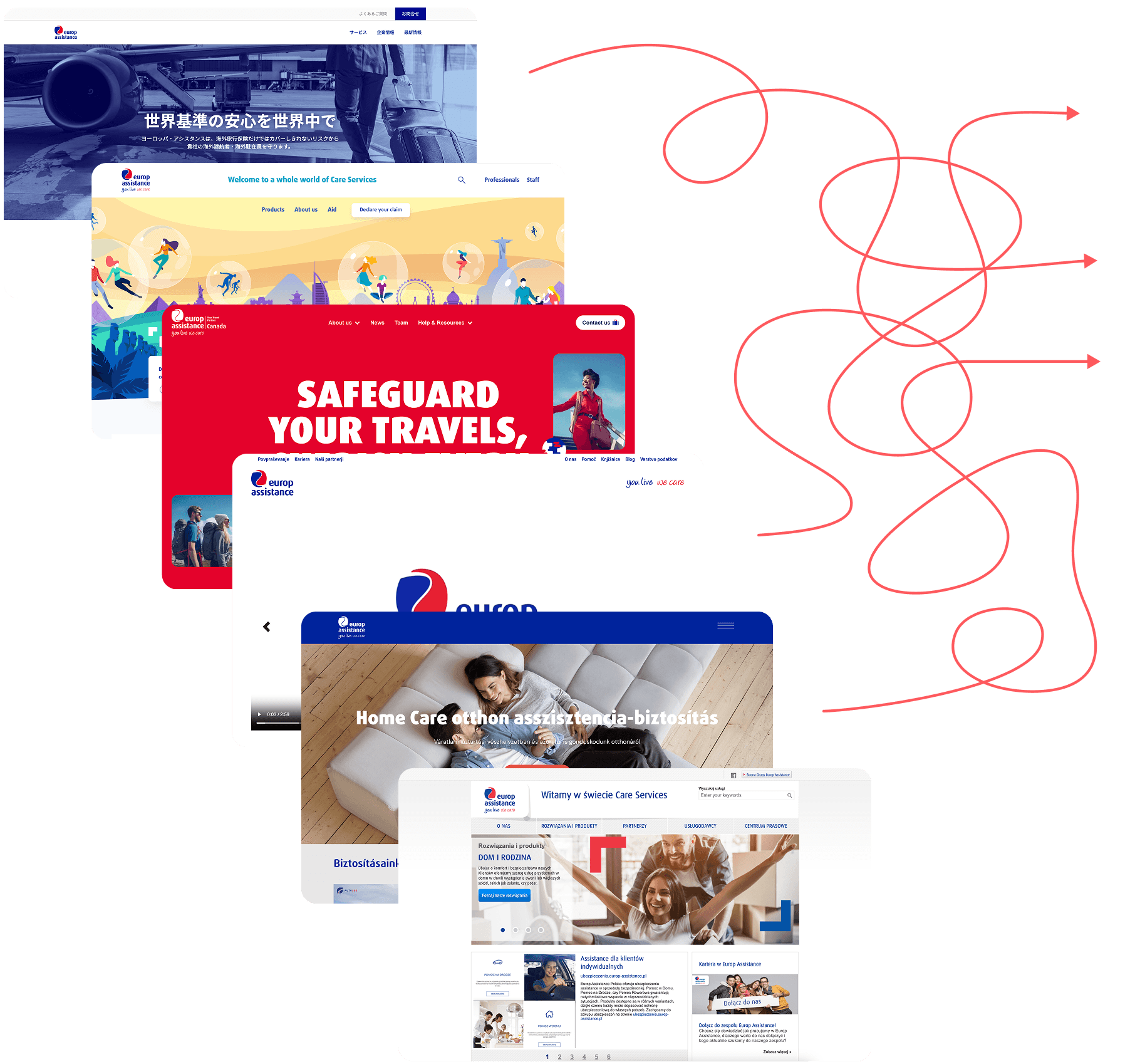
Some markets had strong digital products; others had outdated or no platforms.
Standalone websites, CMS licenses, agencies, and technical support increased costs across markets.
UX, UI, content, CMS, publishing, SEO, and domains were managed separately and inconsistently across markets.
37 markets needed to adopt one global brand while keeping local flexibility.
I investigated how markets managed their websites and content, mapping workflows, technical capabilities, dependencies, and governance to understand what each market could realistically operate and maintain.
Technical capability varied dramatically between markets, with some teams unable to maintain a standalone CMS without external support.
Digital maturity ranged from advanced local websites with dedicated technical support to markets with outdated or no digital platforms at all.
Markets wanted consistent corporate and B2B experiences, while the upcoming rebrand created a need to coordinate change across 37 countries.
Different CMSs, information architectures, SEO capabilities, security requirements, and support models made a one-size-fits-all migration unrealistic.
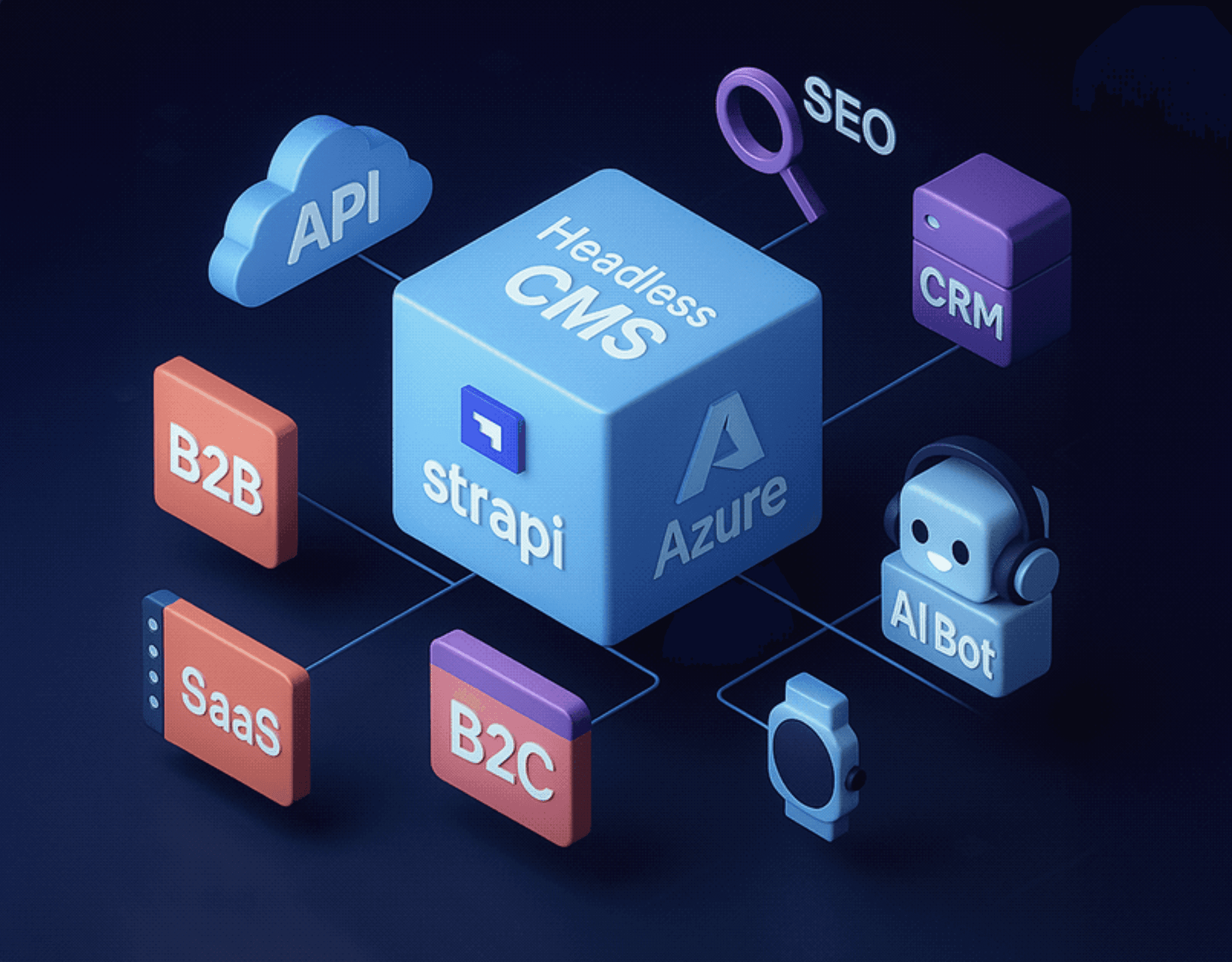
A centralized Headless CMS created one scalable foundation for 37 markets, while allowing local teams to manage content and adapt experiences to their needs.
One
PLATFORM
for global governance and local adaptability

To support markets with very different needs and capabilities, I defined five principles to guide platform, content, and governance decisions.

These principles translated into the platform’s architecture, content model, and governance, creating a system that could scale globally while remaining simple for local teams to use.

Key product decisions balanced local market needs, platform scalability, and long-term governance across 37 markets.
From a single domain request to a global strategy
A routine request to acquire one country domain exposed a much larger risk around rebranding, expansion, cybersecurity, and future operating costs.
Can we buy europassistance.nl domain?
The domain was already owned by a third party.
The answer:
No, the domain isn’t available.
The question I asked instead:
What happens when the entire company rebrands?
Understand domain registration, recovery, and pricing
Validate SEO and local-market implications
Validate ownership, phishing and brand risks
Connect the issue to rebranding and expansion
Buy early. Govern centrally. Design for expansion.
Instead of recovering domains after the rebrand, I proposed securing likely domain combinations in advance and defining a scalable governance model for future markets and digital products.
Secure critical names and variations early
Separated B2B

From B2C subdirectory structure

Define naming across countries, products and use cases

Account for future markets and expansion from the start

~€10/year
proactive registration
vs
up to €10K/case
domain recovery
I initiated the investigation, developed the strategy, gathered cross-functional evidence, and brought the proposal through stakeholder alignment to board approval.
One unavailable domain exposed a much bigger risk. I recognized it early enough to address the problem before it became far more expensive with the global rebrand.
Aligning product, technical, governance, and market teams around one scalable platform required continuous coordination from definition through rollout.
The platform created measurable business value while establishing a shared foundation for faster, more consistent content operations across markets.
Less dependency on technical teams
More consistent experiences across markets
Reusable across products and future markets
Working across 37 markets reinforced the importance of looking beyond what is immediately visible. Different levels of digital maturity, fragmented ownership, and small operational frictions often pointed to larger structural problems.
A small issue can be a symptom of a much larger product, operational, or business risk.
Understanding why friction exists can reveal opportunities that would be missed by simply fixing the immediate problem.
Decisions made for today should account for how the system will behave as markets, teams, and requirements evolve.


%22%3E%0A%3Cpath%20d%3D%22M33.6426%2025.2643C33.6426%2022.1335%2031.1067%2019.5977%2027.9759%2019.5977C24.8451%2019.5977%2022.3092%2022.1335%2022.3092%2025.2643C22.3092%2028.3952%2024.8451%2030.931%2027.9759%2030.931C31.1067%2030.931%2033.6426%2028.3952%2033.6426%2025.2643ZM30.8092%2025.2643C30.8092%2026.8227%2029.5342%2028.0977%2027.9759%2028.0977C26.4176%2028.0977%2025.1426%2026.8227%2025.1426%2025.2643C25.1426%2023.706%2026.4176%2022.431%2027.9759%2022.431C29.5342%2022.431%2030.8092%2023.706%2030.8092%2025.2643ZM16.6426%2039.431V42.2643H39.3092V39.431C39.3092%2035.6627%2031.7584%2033.7643%2027.9759%2033.7643C24.1934%2033.7643%2016.6426%2035.6627%2016.6426%2039.431ZM19.4759%2039.431C19.7592%2038.4252%2024.1509%2036.5977%2027.9759%2036.5977C31.7867%2036.5977%2036.1642%2038.411%2036.4759%2039.431H19.4759ZM43.5592%2035.181V30.931H47.8092V28.0977H43.5592V23.8477H40.7259V28.0977H36.4759V30.931H40.7259V35.181H43.5592Z%22%20fill%3D%22white%22%2F%3E%0A%3C%2Fg%3E%0A%3Cdefs%3E%3CclipPath%20id%3D%22clip0_4667_269%22%3E%3Crect%20width%3D%2234%22%20height%3D%2234%22%20fill%3D%22white%22%20transform%3D%22translate(15.2246%2013.9307)%22%2F%3E%3C%2FclipPath%3E%3C%2Fdefs%3E%0A%3C%2Fsvg%3E%0A)
%22%3E%0A%3Cpath%20d%3D%22M33.5957%2022.6807V19.9307H28.2624V22.6807H33.5957ZM20.2624%2026.8057V39.1807C20.2624%2039.9369%2020.8624%2040.5557%2021.5957%2040.5557H40.2624C40.9957%2040.5557%2041.5957%2039.9369%2041.5957%2039.1807V26.8057C41.5957%2026.0494%2040.9957%2025.4307%2040.2624%2025.4307H21.5957C20.8624%2025.4307%2020.2624%2026.0494%2020.2624%2026.8057ZM41.5957%2022.6807C43.0757%2022.6807%2044.2624%2023.9044%2044.2624%2025.4307V40.5557C44.2624%2042.0819%2043.0757%2043.3057%2041.5957%2043.3057H20.2624C18.7824%2043.3057%2017.5957%2042.0819%2017.5957%2040.5557L17.609%2025.4307C17.609%2023.9044%2018.7824%2022.6807%2020.2624%2022.6807H25.5957V19.9307C25.5957%2018.4044%2026.7824%2017.1807%2028.2624%2017.1807H33.5957C35.0757%2017.1807%2036.2624%2018.4044%2036.2624%2019.9307V22.6807H41.5957Z%22%20fill%3D%22white%22%2F%3E%0A%3C%2Fg%3E%0A%3Cdefs%3E%3CclipPath%20id%3D%22clip0_4667_272%22%3E%3Crect%20width%3D%2232%22%20height%3D%2233%22%20fill%3D%22white%22%20transform%3D%22translate(14.9297%2014.4307)%22%2F%3E%3C%2FclipPath%3E%3C%2Fdefs%3E%0A%3C%2Fsvg%3E%0A)